Space
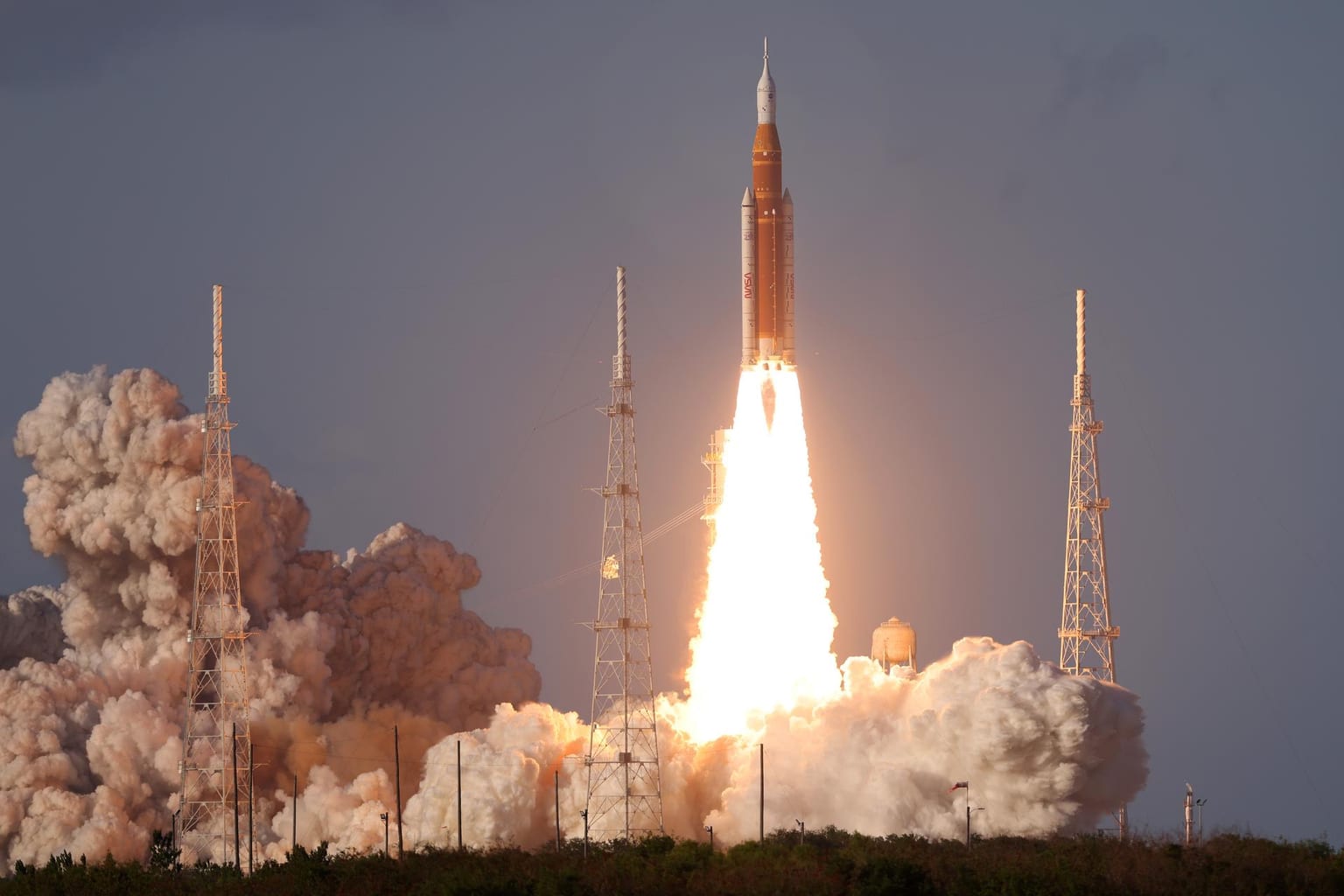
Artemis 2 rocket maneuvers disrupt GPS signals over North America
Three maneuvers by the Artemis 2 rocket disrupted the ionosphere over North America.
Written by AI2 min2 sources
Reusable rockets, Earth observation, constellations: orbit is becoming infrastructure.
Orbit is becoming infrastructure: reusable launchers driving down the cost per kilogram, constellations that connect and observe, Earth observation feeding agriculture, weather forecasting and climate monitoring. The section follows flights, commissionings and order books — SpaceX of course, but also the Chinese, Indian, Japanese and European launchers the general press skims over.
The angle stays the journal’s: what changes concretely, quantified and sourced. A launch is not a feat but a price per kilogram; a constellation is not a project but a number of active satellites and a service rendered. We distinguish the test flight from the commercial cadence, and the announcement from the signed contract.
Three maneuvers by the Artemis 2 rocket disrupted the ionosphere over North America.
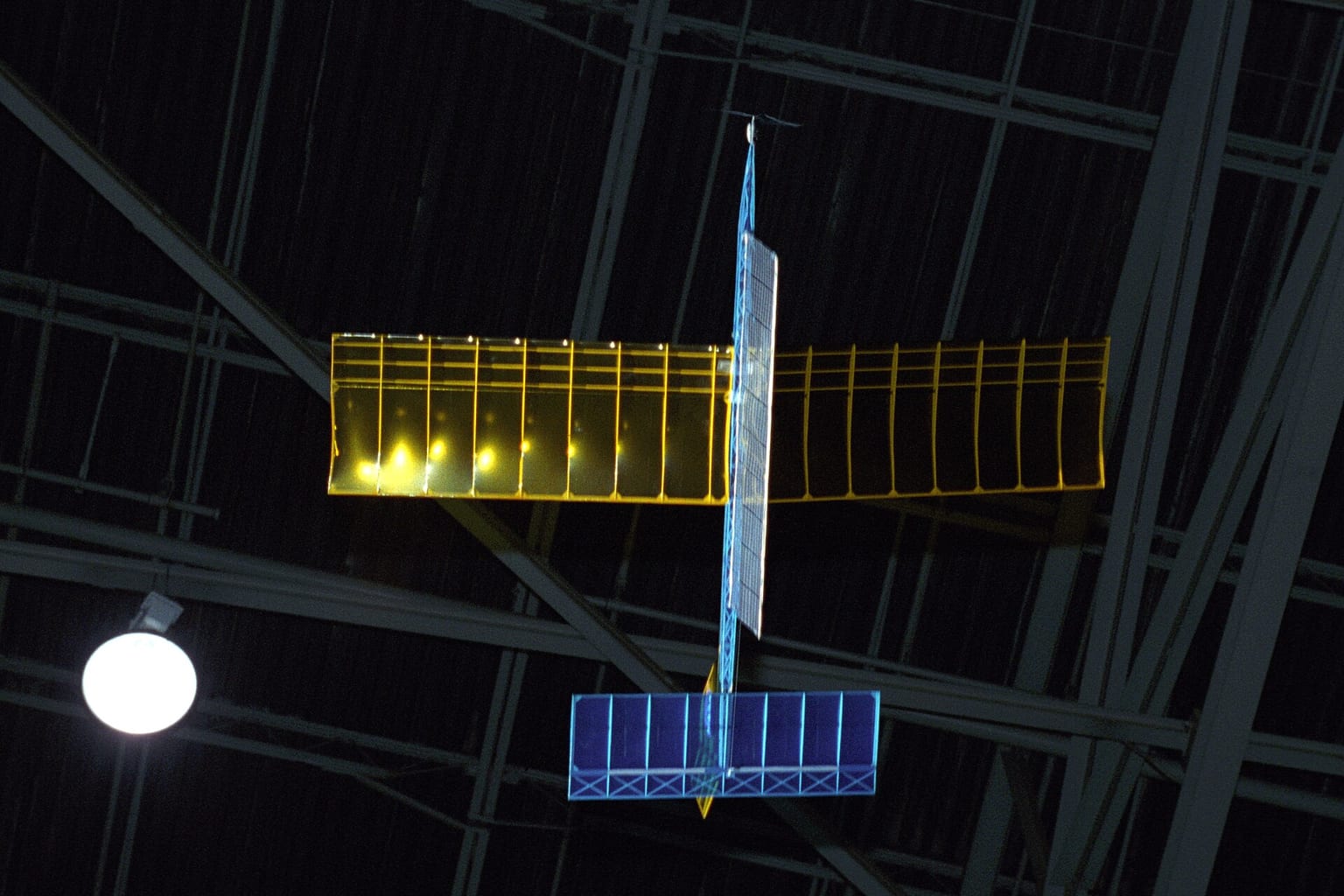
UAVOS's ApusNeo flew at 14,500 m, a first for a solar plane in European airspace, according to the company.
14,500 mAltitude reached by a solar plane in European airspace, according to UAVOS
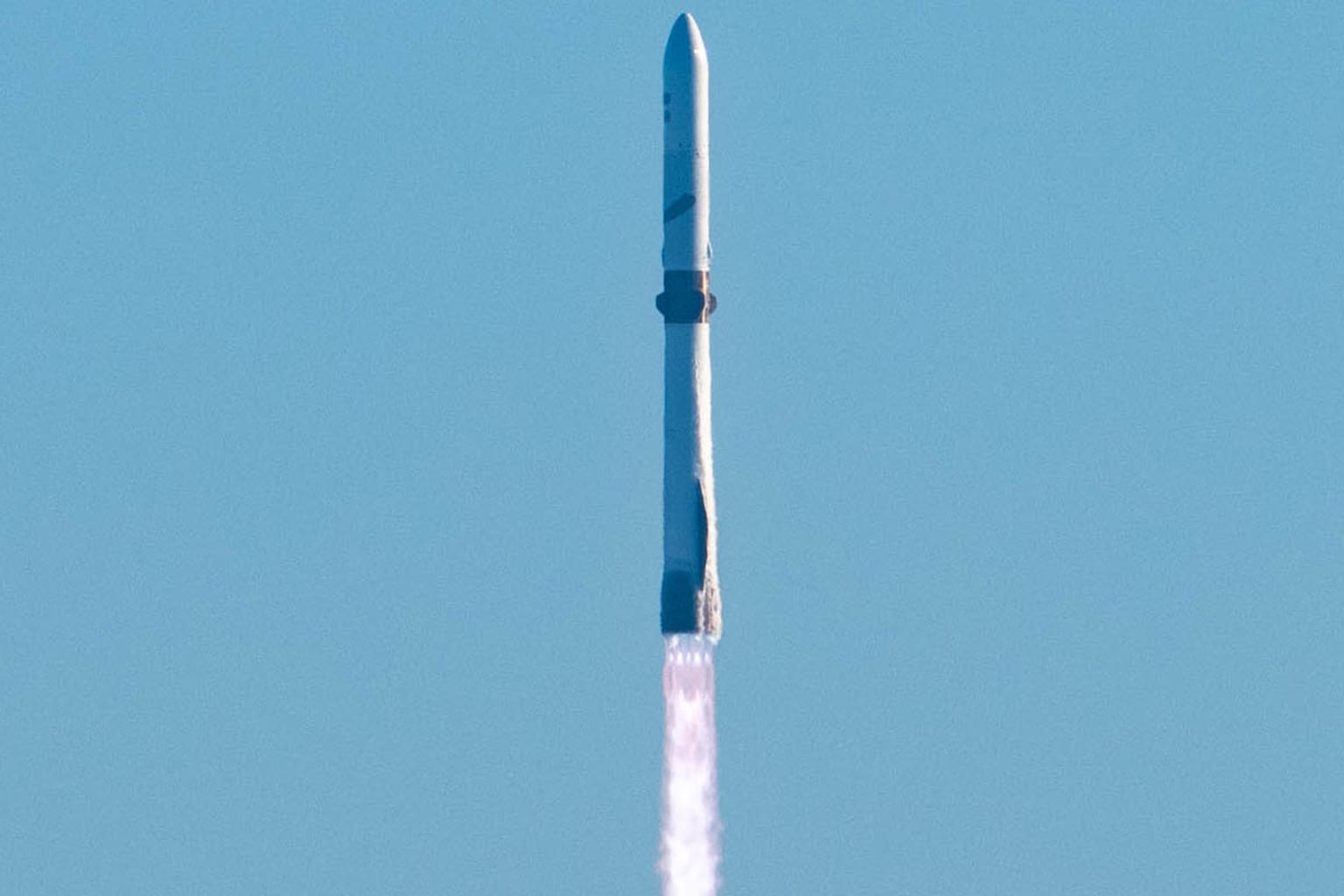
Northstar, which will eventually replace the BE-4 on New Glenn's first stage, has begun test firing.
30 percentless mass than the current BE-4 engine, according to Blue Origin
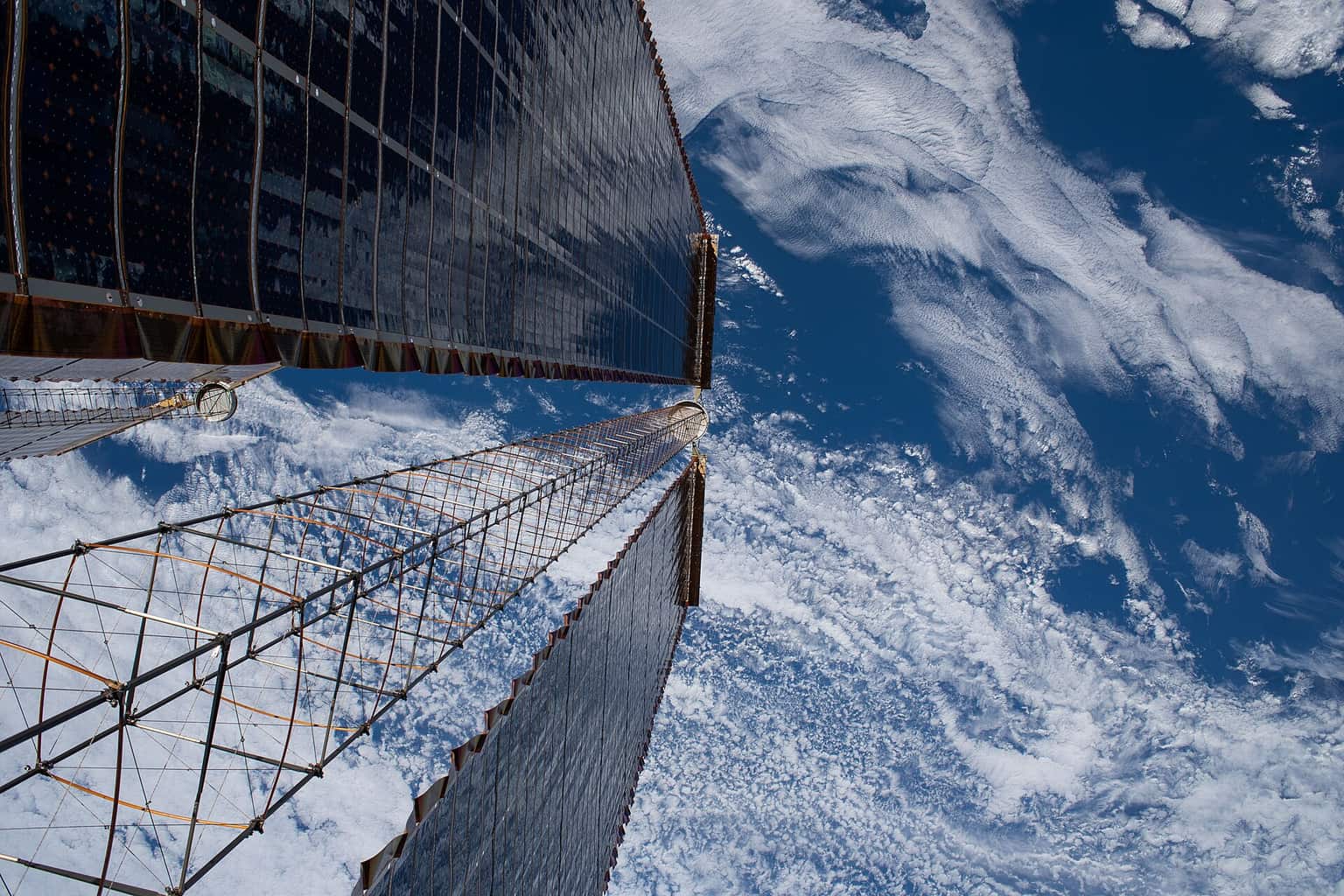
The ISS now has all eight iROSA solar arrays, installed by NASA and Canadian Space Agency astronauts on Nov. 5, 2026.
up to 30%more power for the station once all eight solar arrays are in place, according to NASA
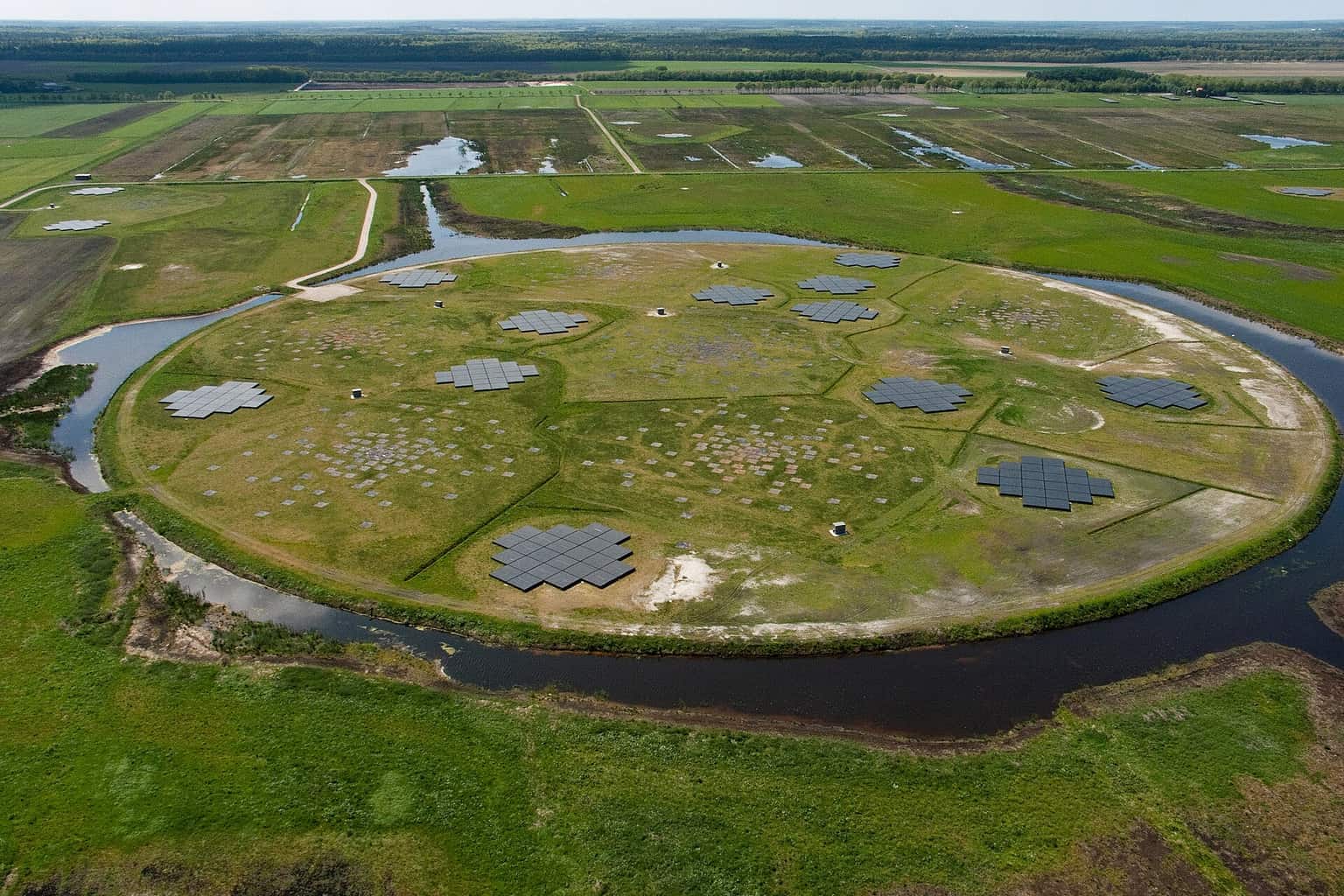
The image is 20 times sharper than the previous most sensitive LOFAR view of the same sky patch.
20 timessharper than the previous most sensitive LOFAR image of the same sky patch
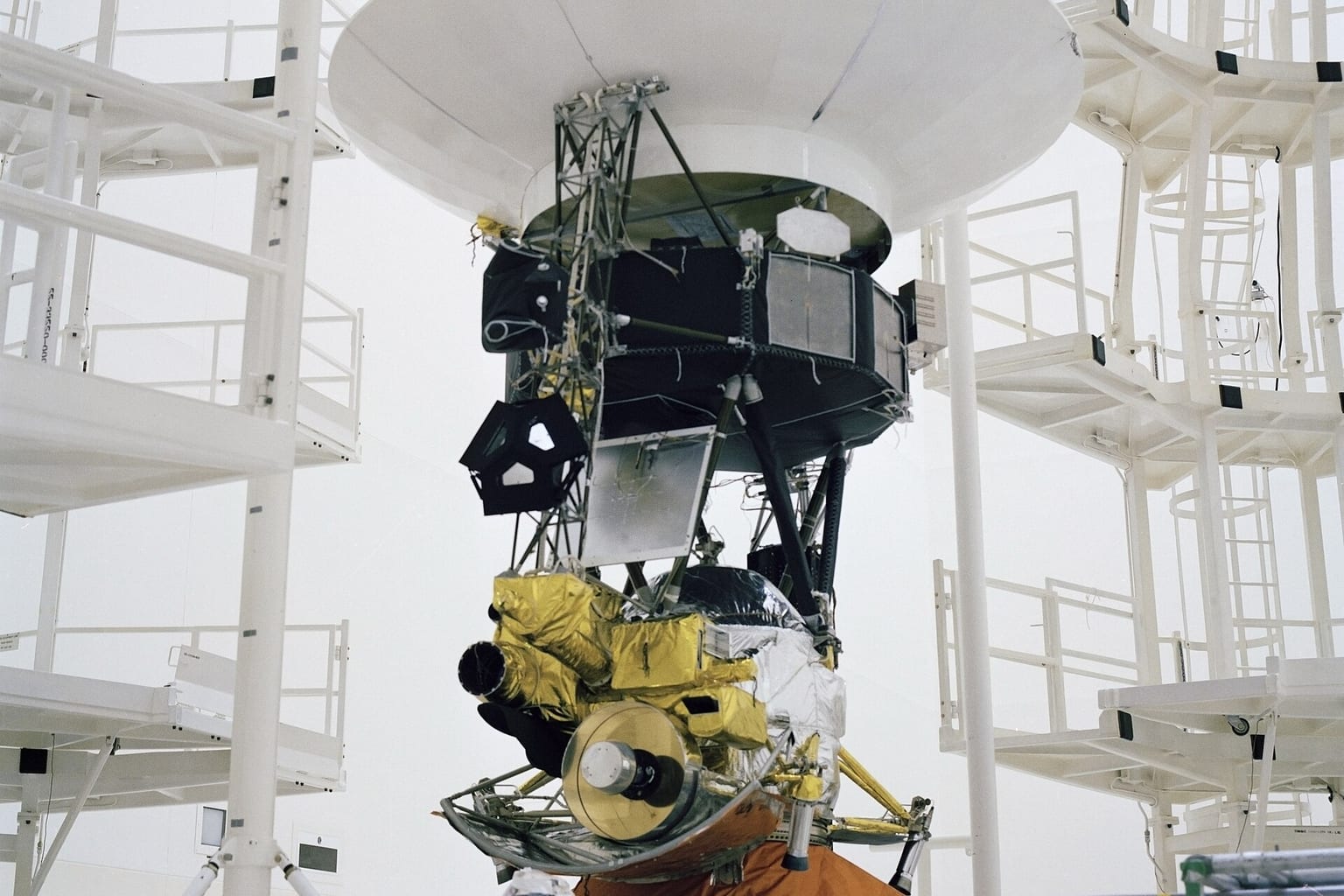
Voyager 1 is due to reach one light day from Earth, a distance a radio signal needs 24 hours to cross.
1 light dayDistance from Earth Voyager 1 is due to reach; a radio signal needs 24 hours to cross it
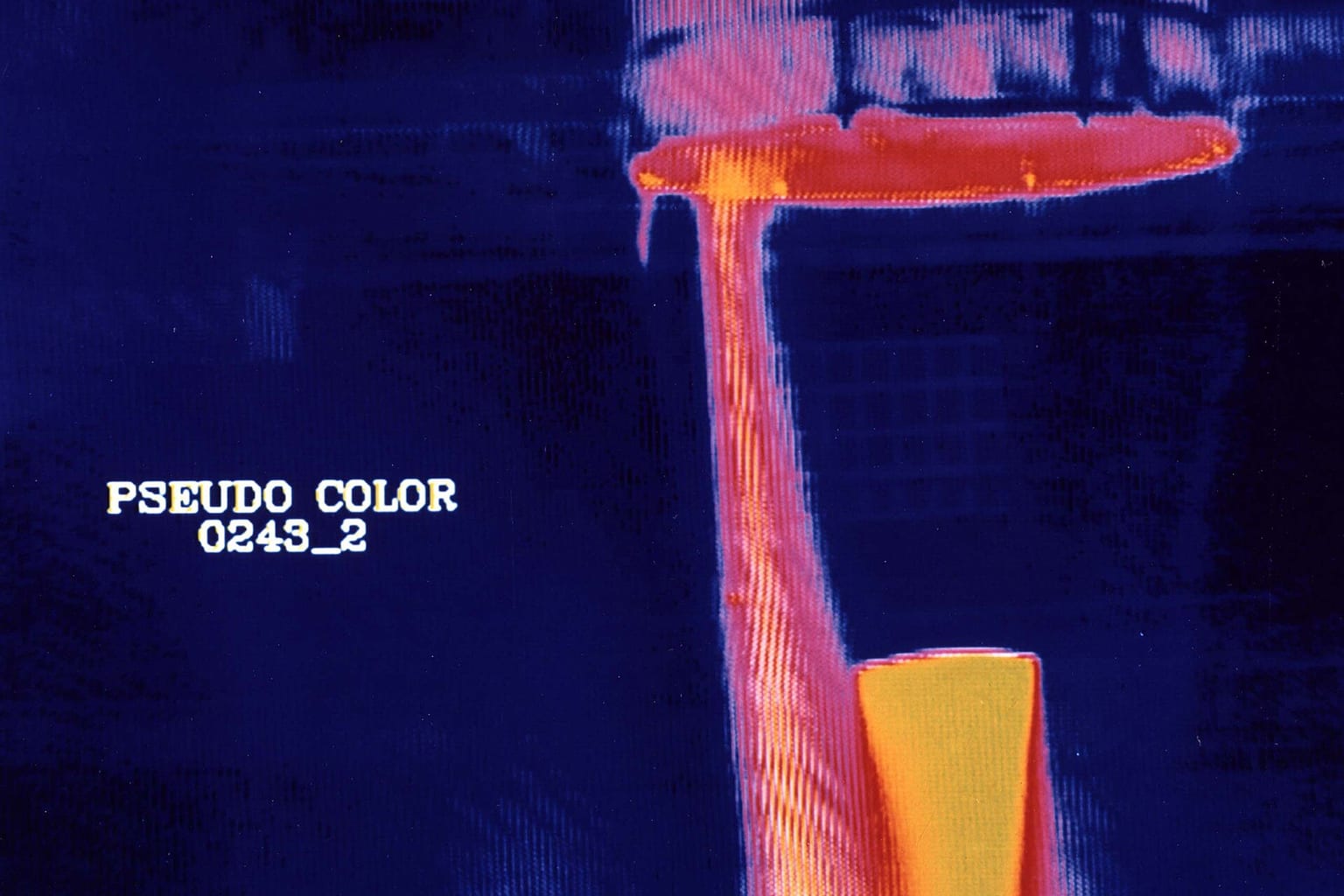
Flexcompute's tool simulates thruster exhaust hitting nearby spacecraft about 200 times faster than standard DSMC.
~200XFaster than the standard DSMC simulation, per Flexcompute; 0.4 GPU-hours per case
The salt-loving microbe Haloferax volcanii kept growing for 160 days at low pressure, using nitrate or perchlorate.
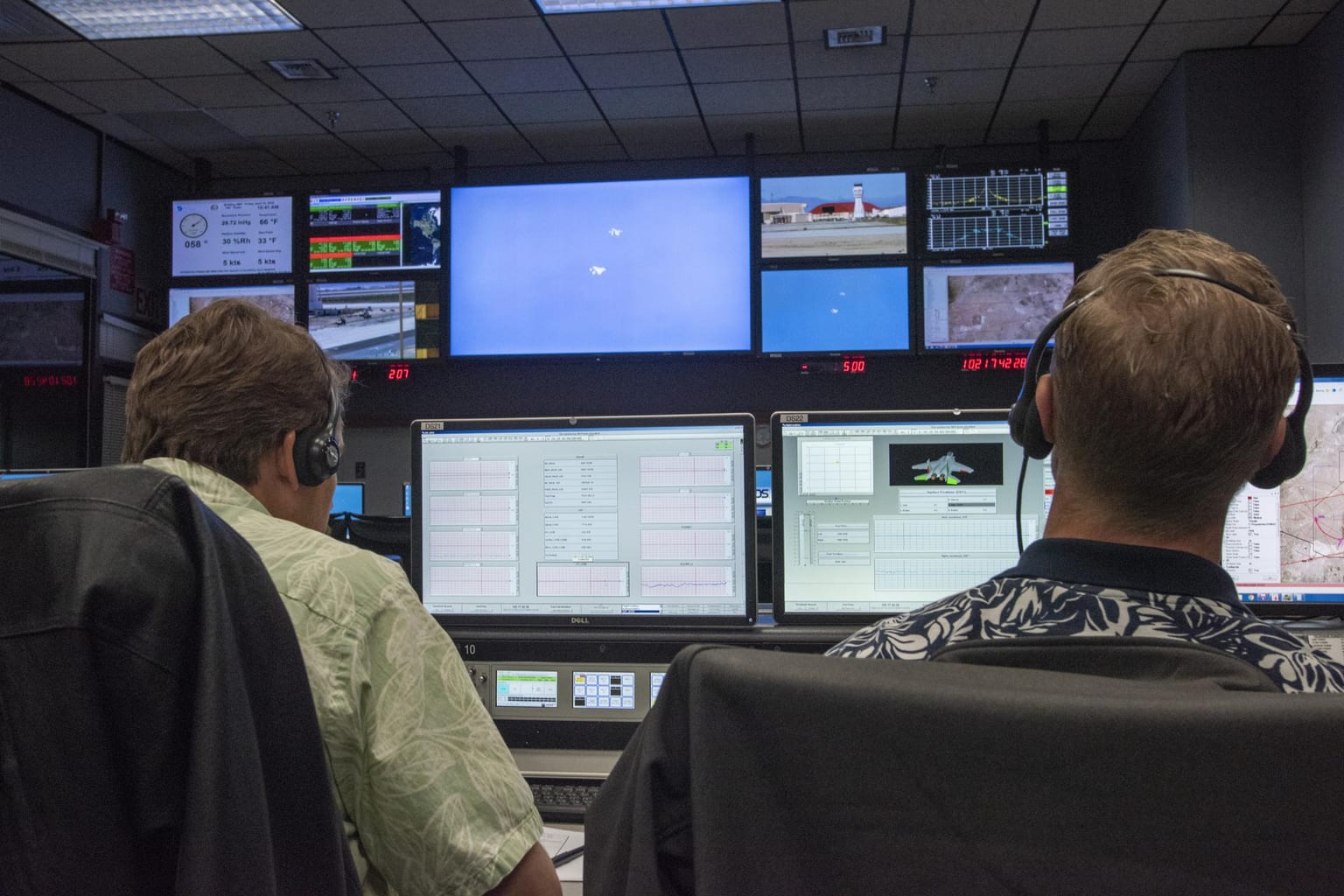
NASA unveiled the X-70 Fractal on Wednesday at its Kennedy Space Center in Florida, a crewed research aircraft.
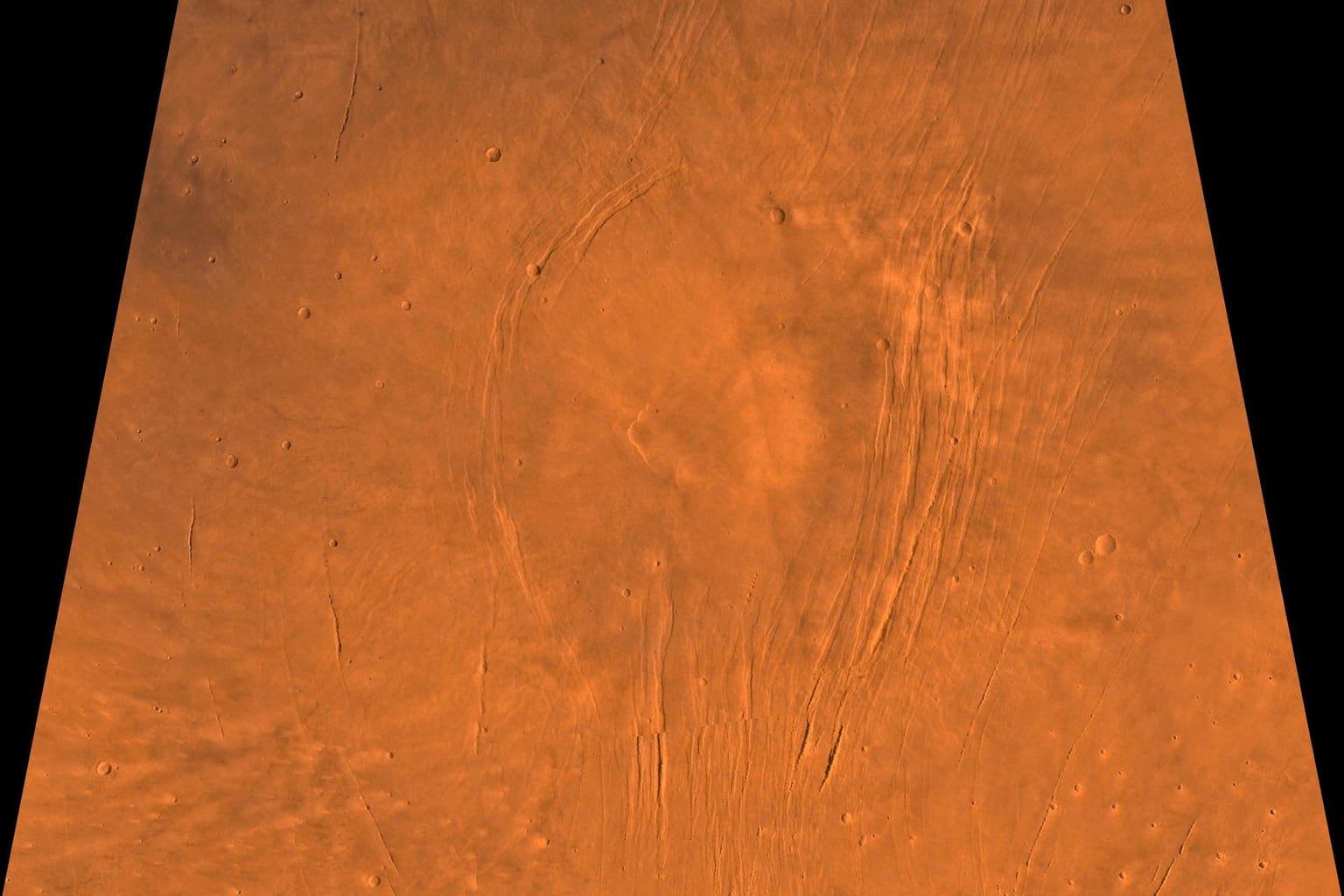
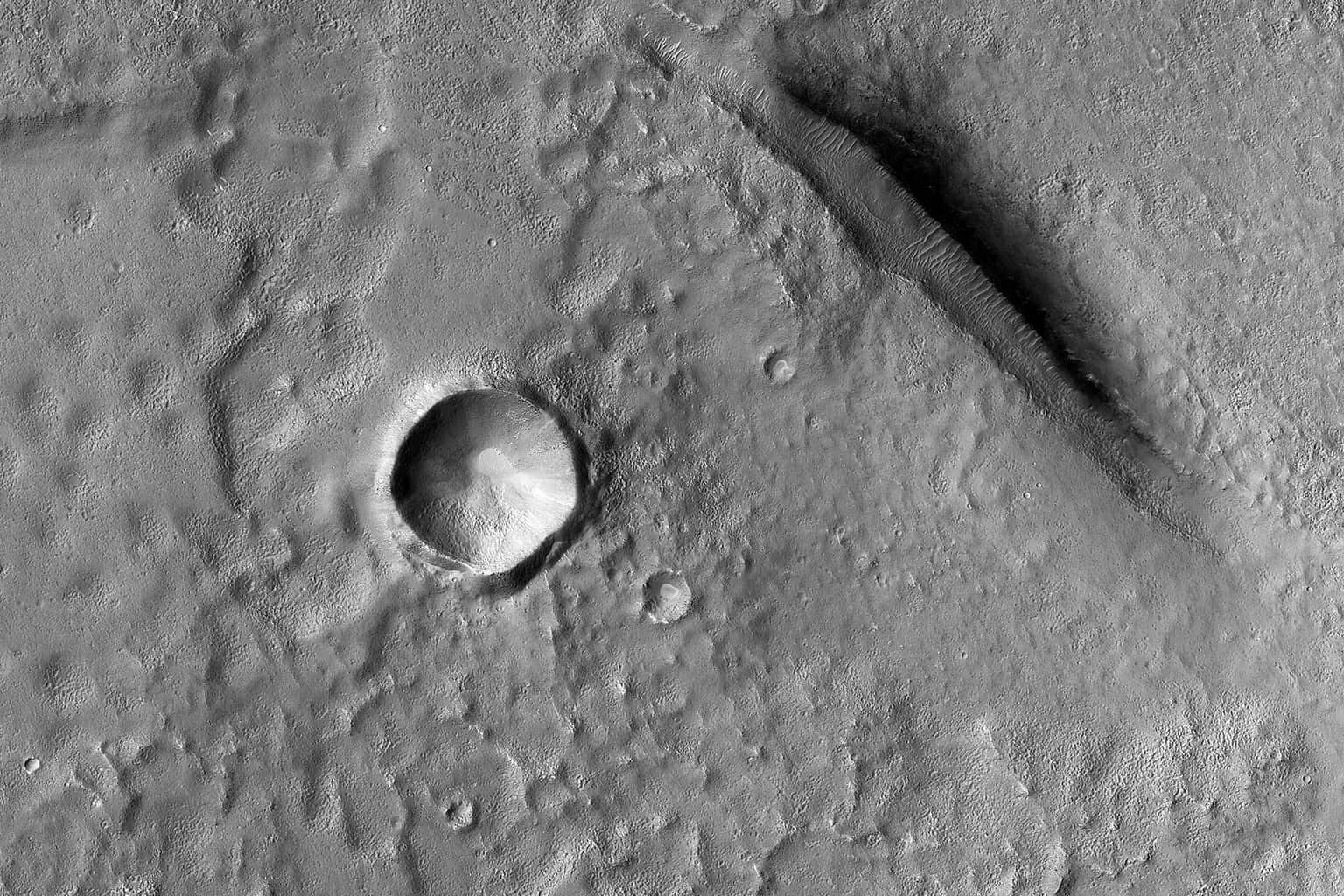
Hydrogen chloride spikes over Alba Mons, found in orbiter data, point to gas rising through newly formed fissures.
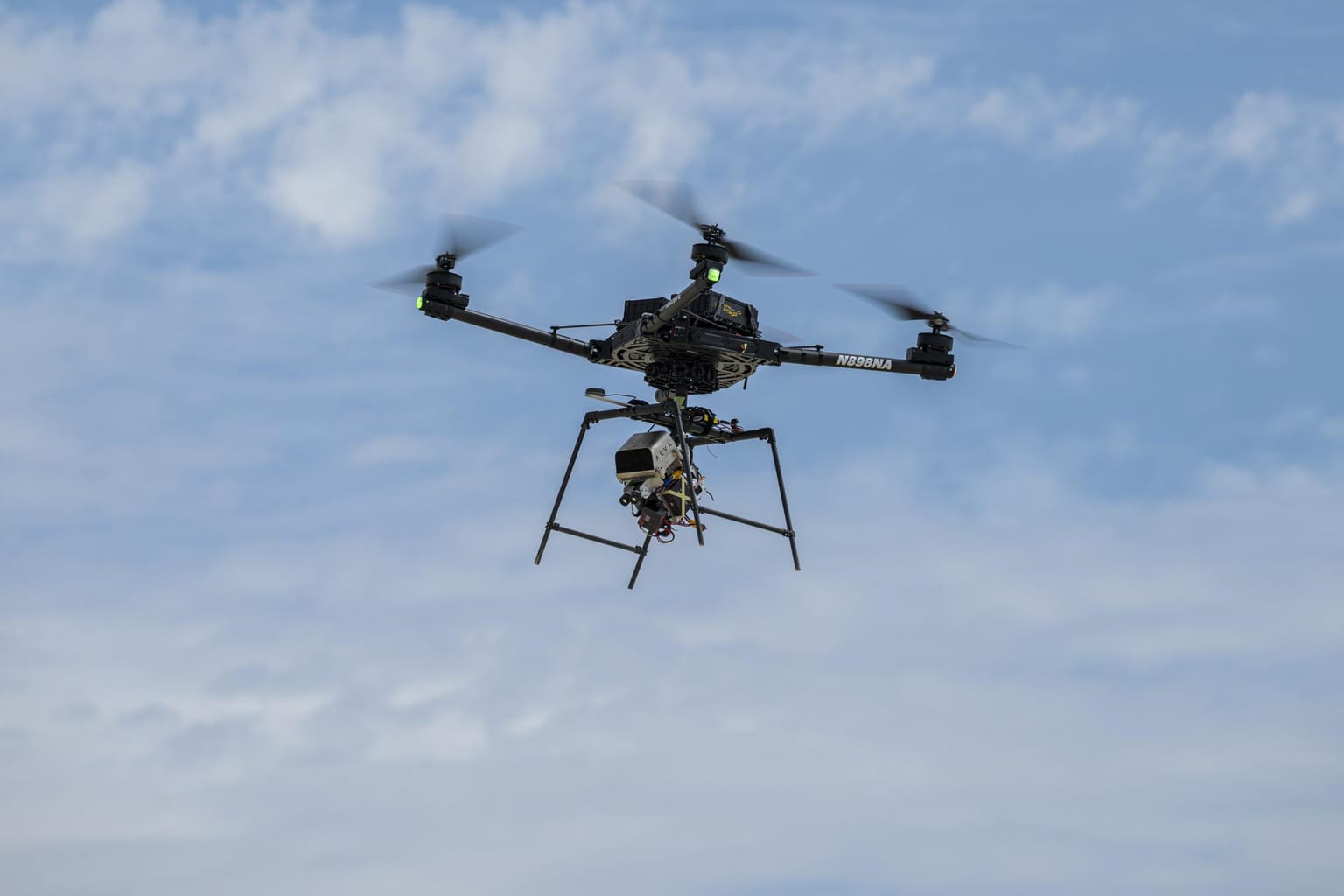
SPLICE mapped terrain and assessed landing areas during simulated lunar descents flown by a drone in California.
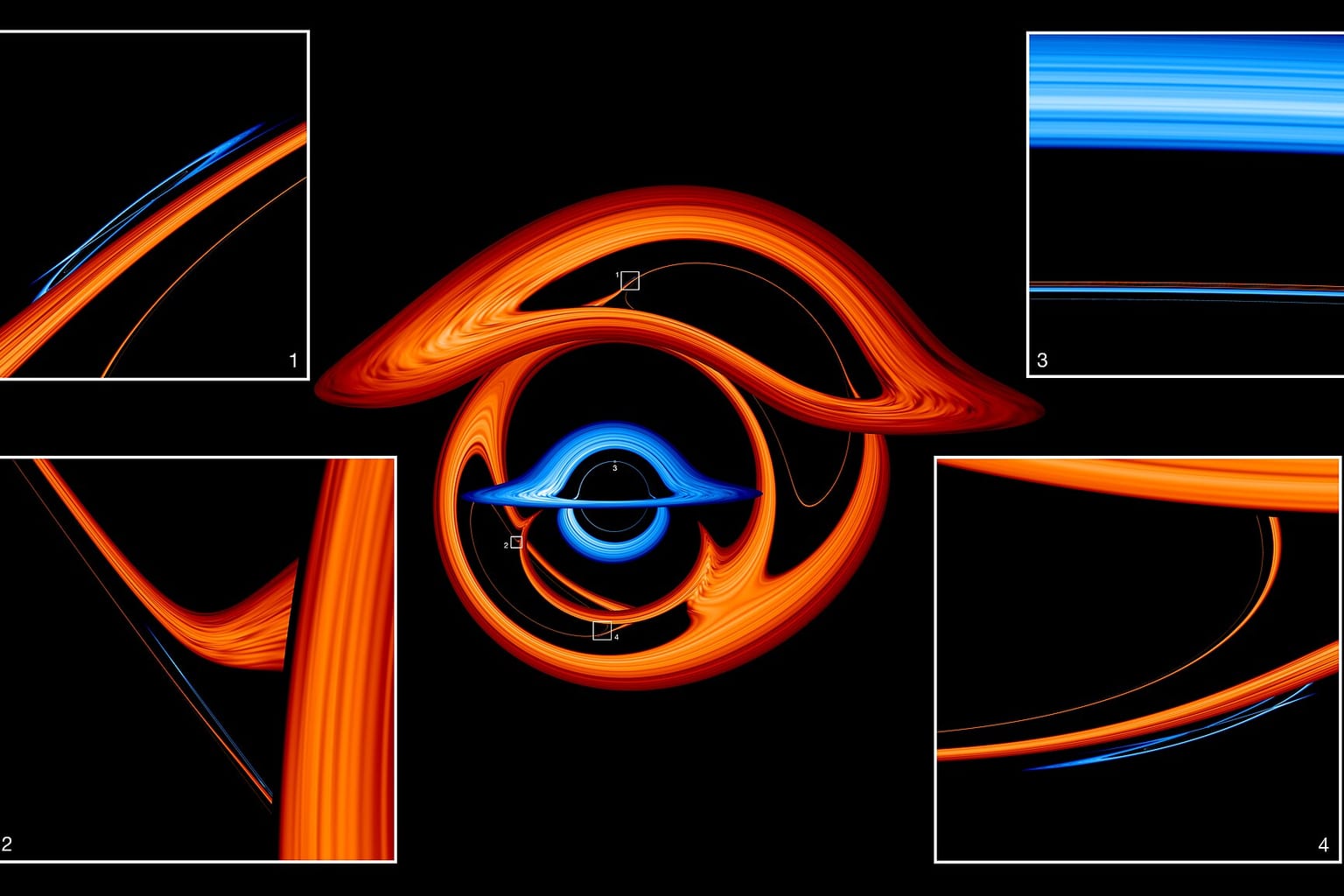
Pulsar timing now reaches black hole pairs at cosmic dawn, a range previously limited to the nearby universe.

Webb images already on file now show 51 Eri b, a giant planet that the standard method had missed.
up to 15 timesSensitivity gain on existing JWST images, per the team, revealing planet 51 Eri b
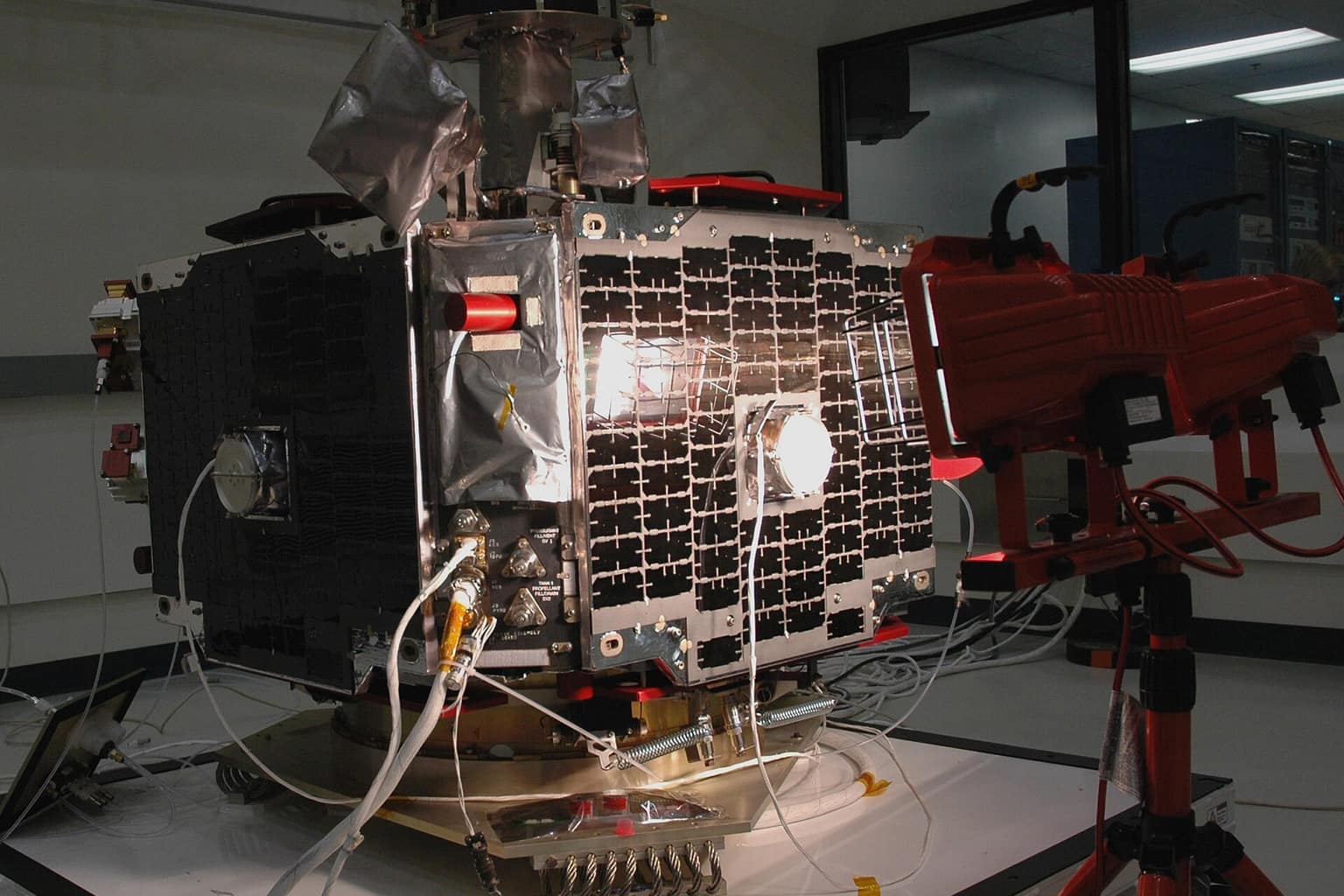
The first test craft separated from its rocket, sent telemetry and generated power before the flight ended early.
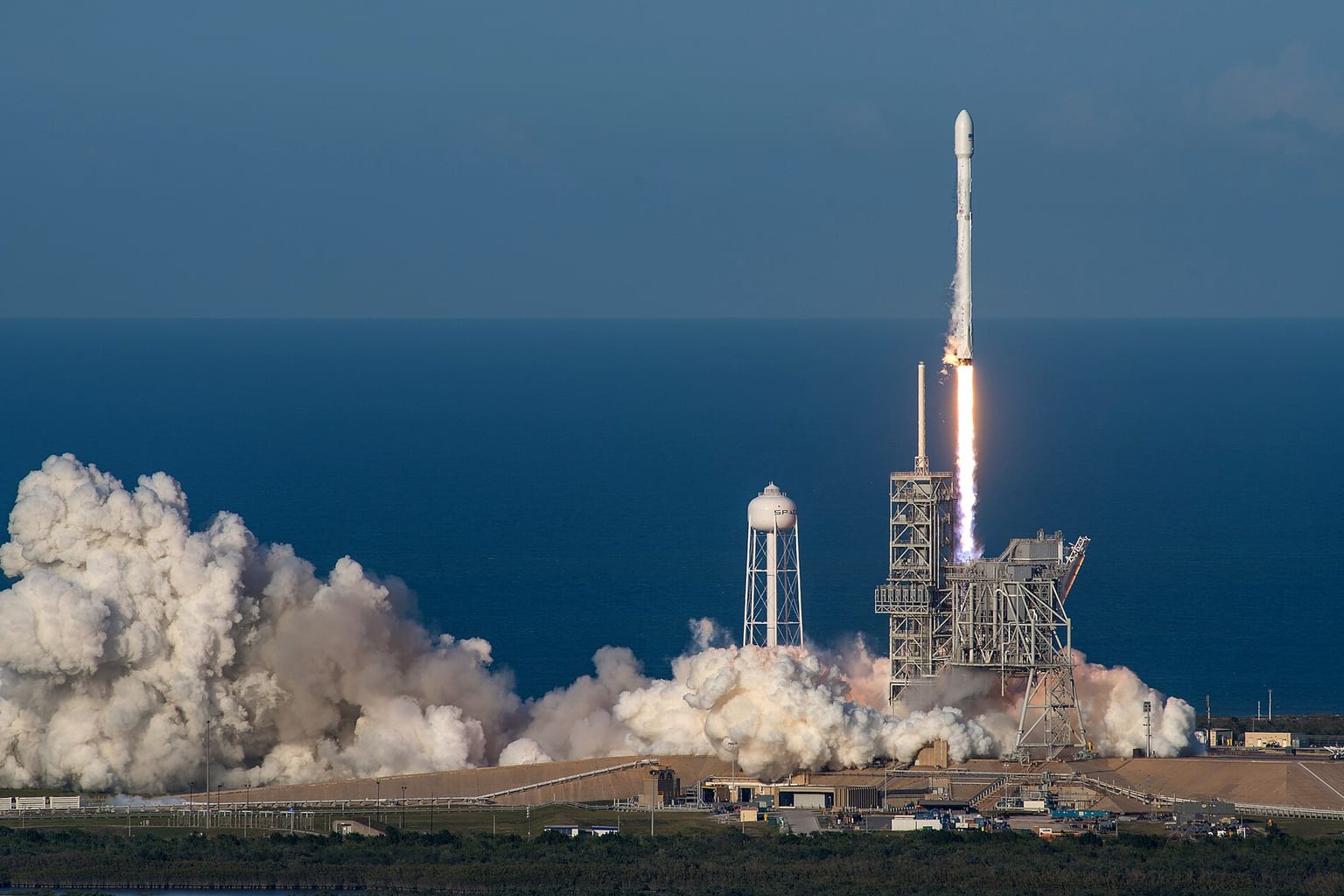
The explosive test, run in Utah, validated MIURA 5's flight termination system, the company said on 30 October.
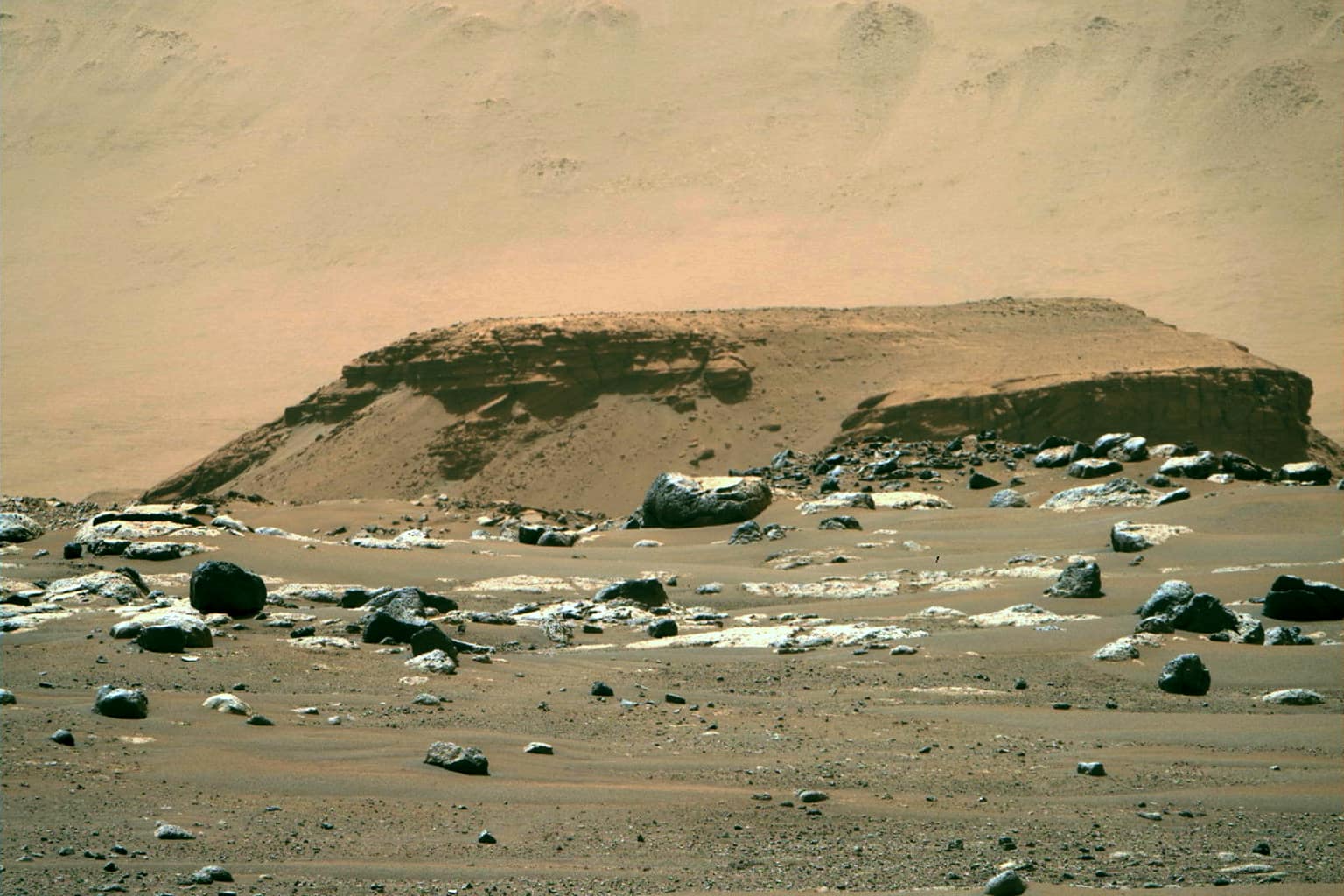
Virginia Tech researchers used vibrations and a neural network to estimate how deep a rock is buried.
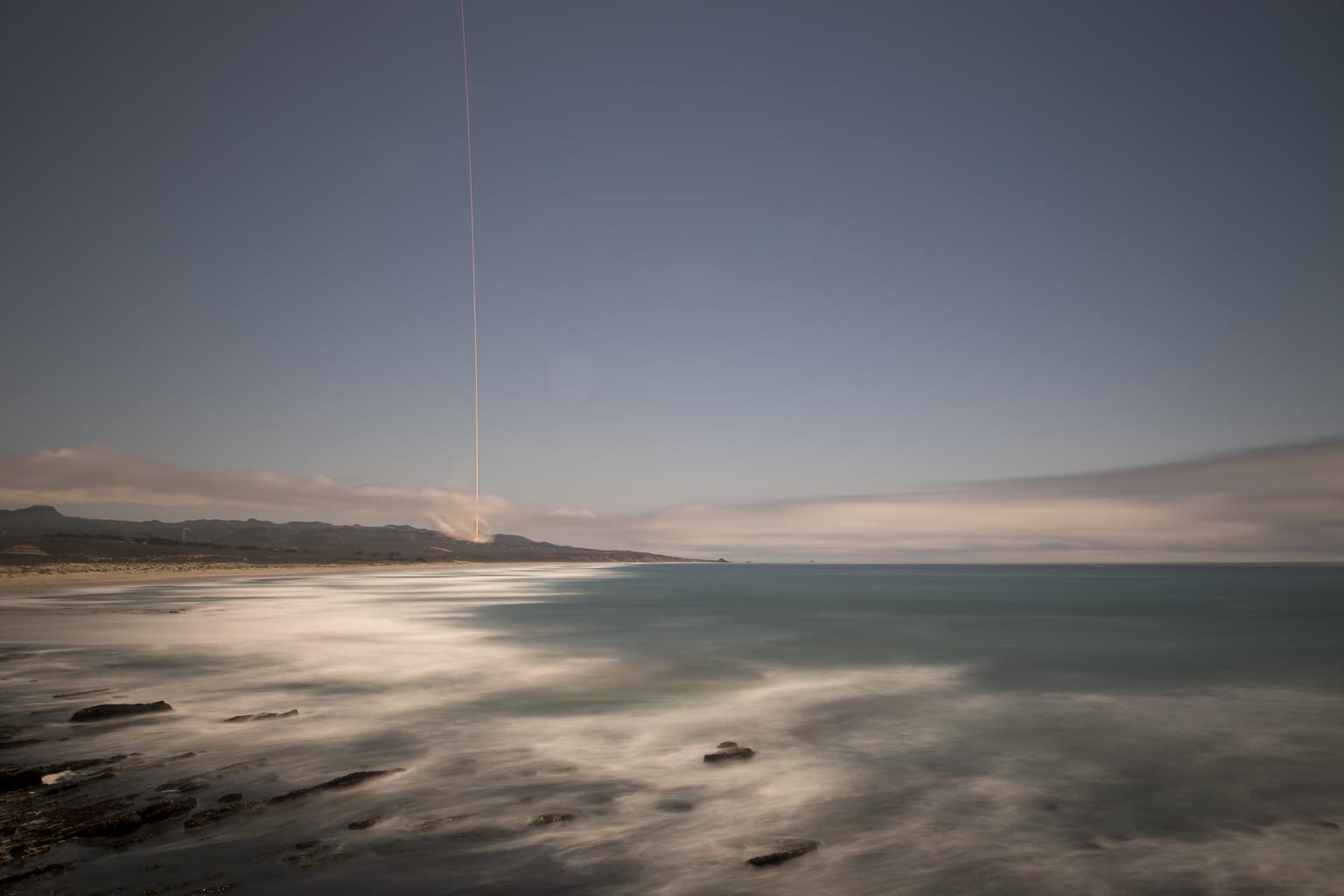
Replicator-2, a small satellite launched this summer with four 3D printers, printed a rigid beam in orbit, which its makers call a first.
Half-meterRigid beam printed in orbit by a free-flying satellite, a first, per its executives
Simulations show that which side of an irregular asteroid gets hit by X-rays changes how far it is pushed.
nearly fivefoldAsteroid speed change, same rock, two aim points, in simulation