Euclid releases 900 million galaxies in first big data drop
The release covers over 900 million galaxies, drawn from about 13 months of observations by the space telescope.
15,000strong lens candidates in one release, against about 500 in March 2025
Reusable rockets, Earth observation, constellations: orbit is becoming infrastructure.
Orbit is becoming infrastructure: reusable launchers driving down the cost per kilogram, constellations that connect and observe, Earth observation feeding agriculture, weather forecasting and climate monitoring. The section follows flights, commissionings and order books — SpaceX of course, but also the Chinese, Indian, Japanese and European launchers the general press skims over.
The angle stays the journal’s: what changes concretely, quantified and sourced. A launch is not a feat but a price per kilogram; a constellation is not a project but a number of active satellites and a service rendered. We distinguish the test flight from the commercial cadence, and the announcement from the signed contract.
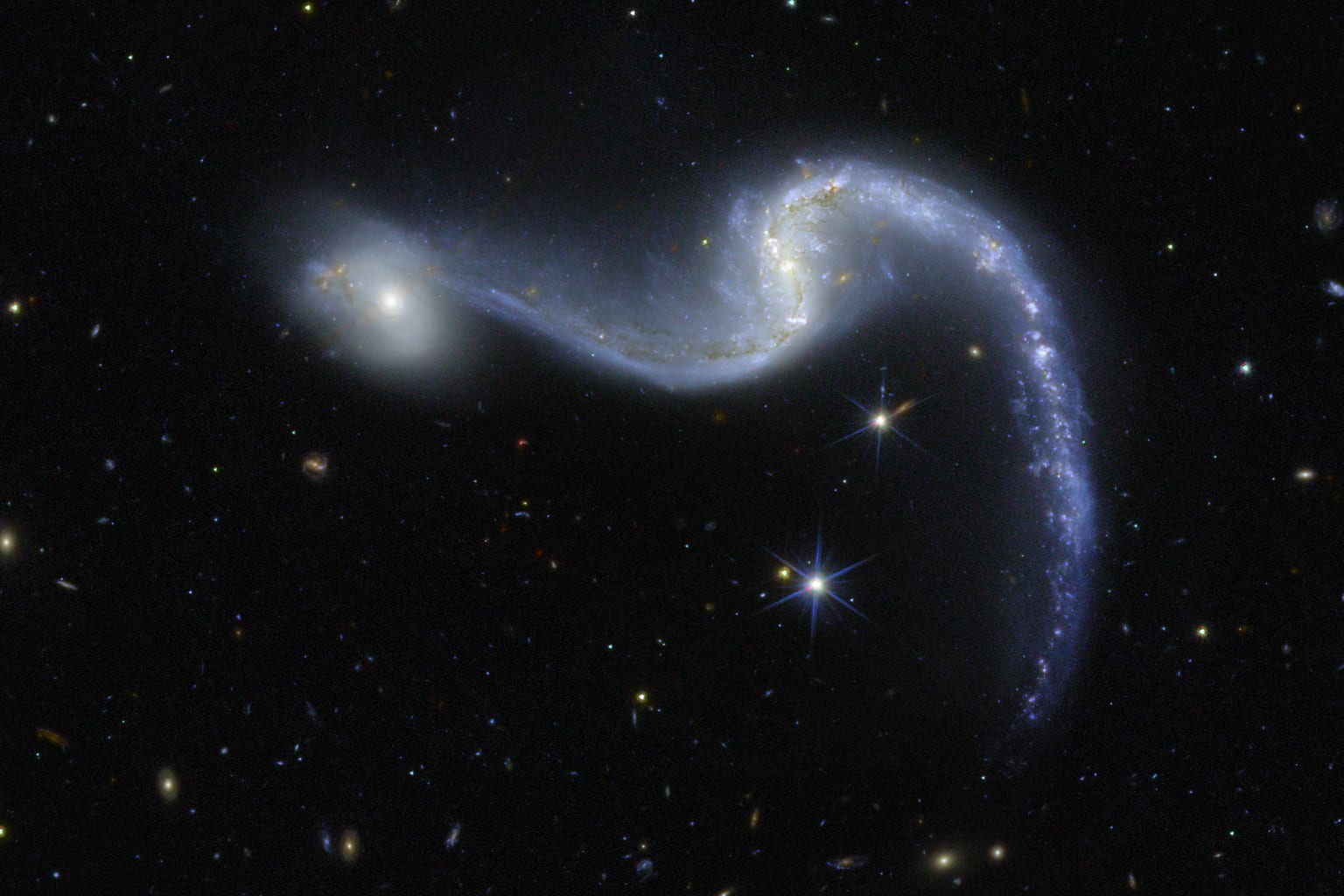
The release covers over 900 million galaxies, drawn from about 13 months of observations by the space telescope.
15,000strong lens candidates in one release, against about 500 in March 2025

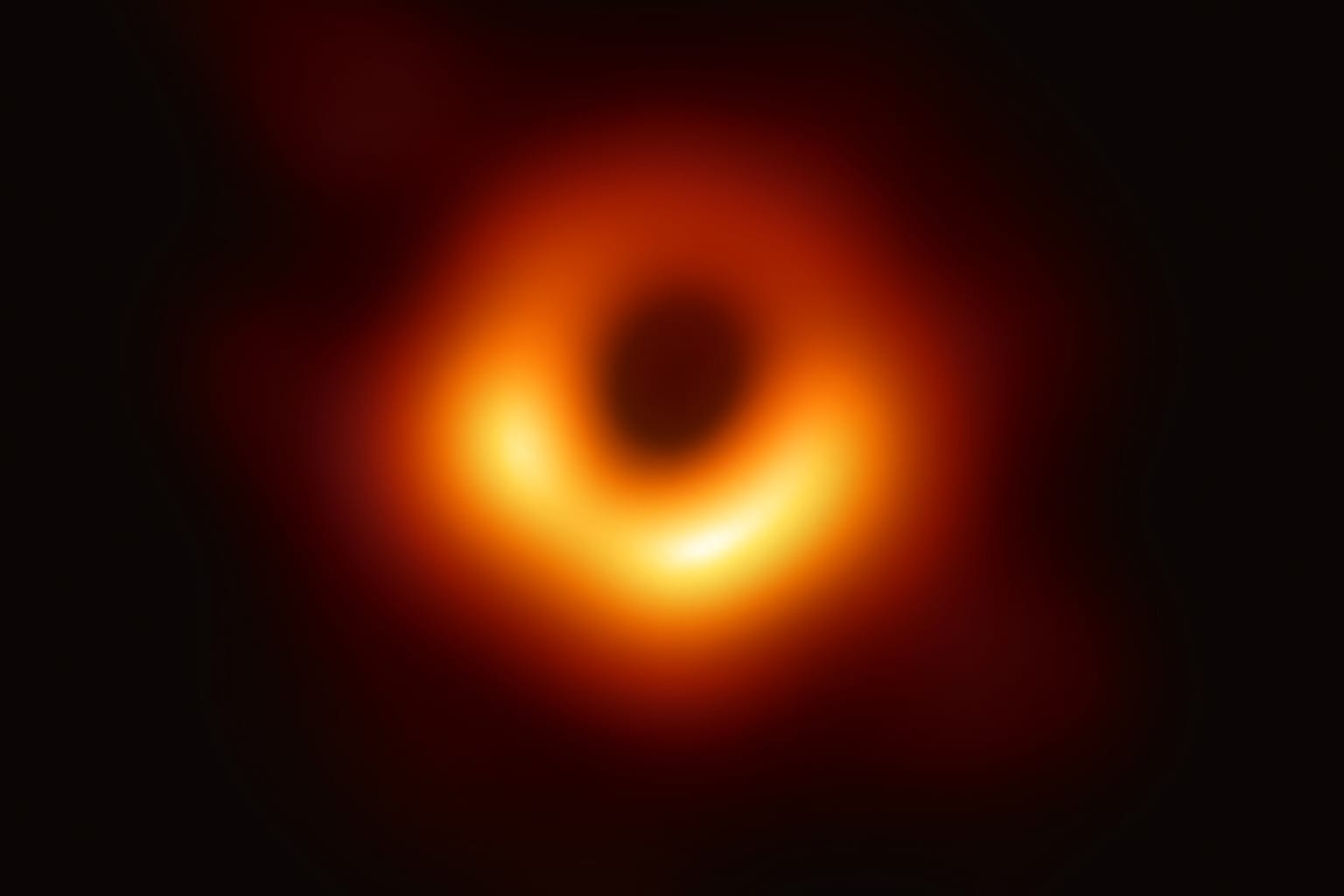
A four-person CSIRO team re-analyzed the 2019 Event Horizon Telescope data with a new AI-based method.

The ESPA ring has let satellites share a rocket since its first flight in 2007.

Purdue researchers made aerogel insulation from lunar soil simulant and paper waste, in the lab.

A Penn State-led team measured each carbon atom in beta-alanine, not just the molecule's average.

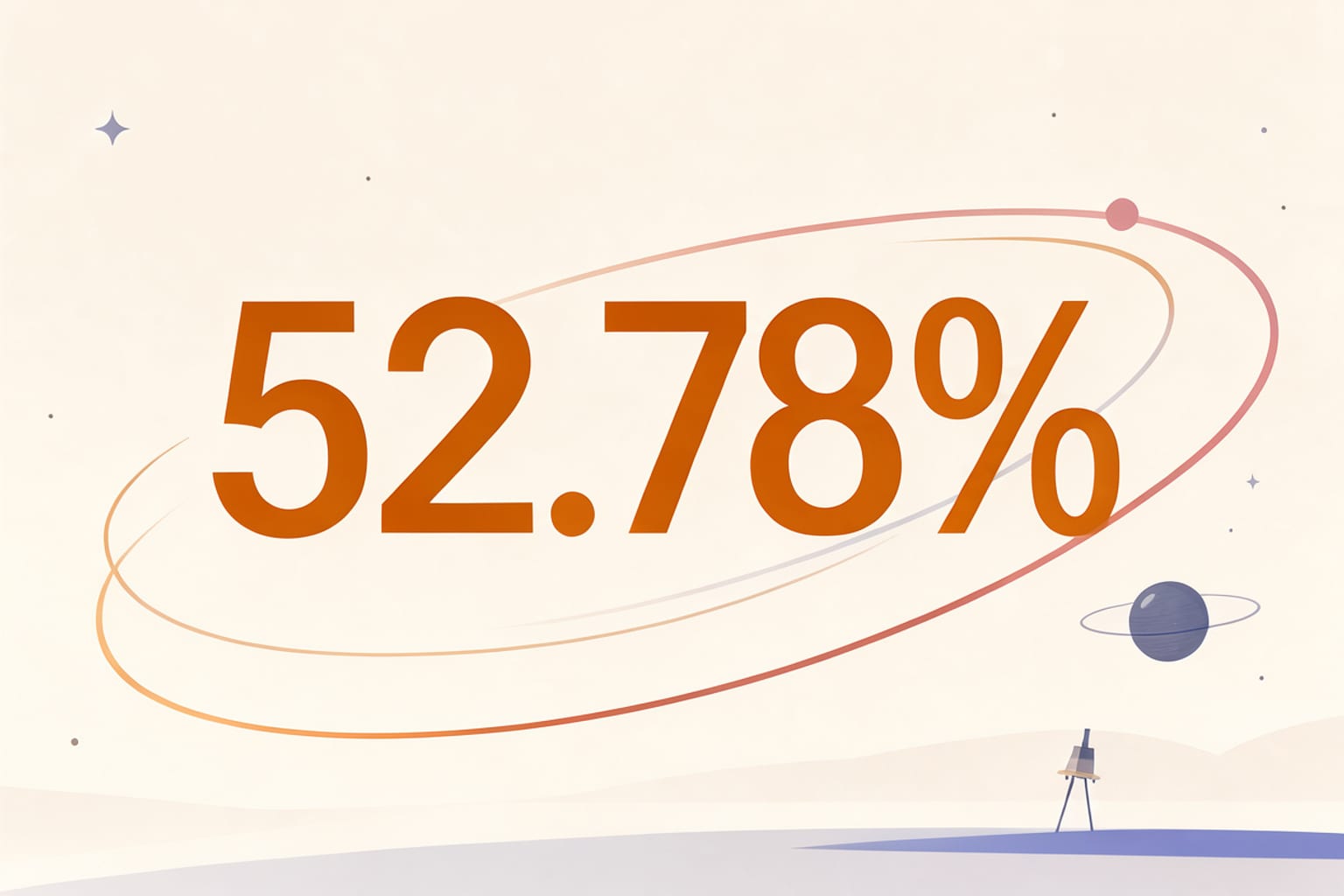
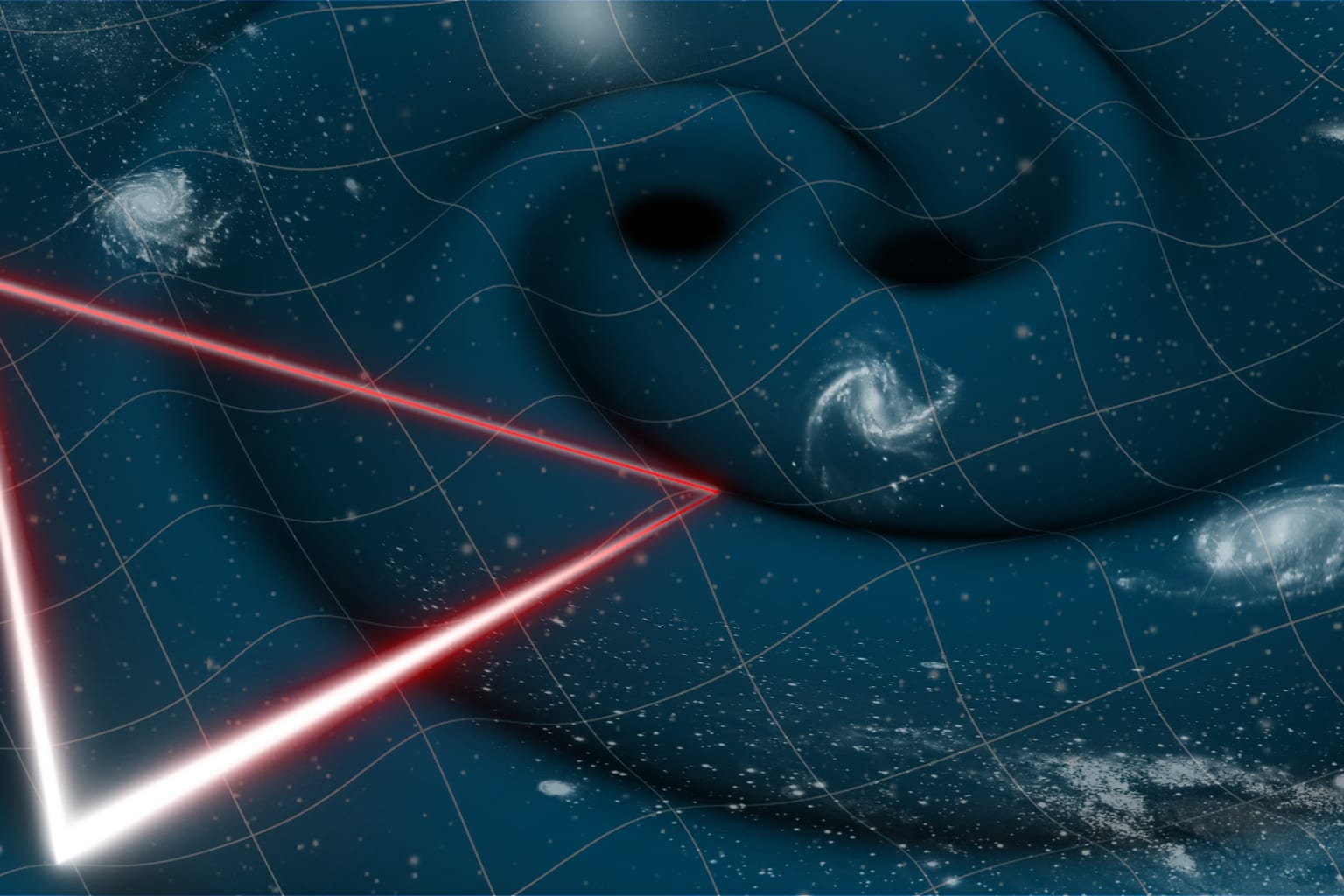
A team at CIOMP, led by Yu Tao, built a phase readout algorithm for space gravitational-wave detectors.
52.78%Lower phase error than the conventional method, in simulations

Each hinge weighs 1.4 grams and unfolds in about 60 seconds when heated, under controlled lab conditions.
93%lighter than conventional satellite hinges, per researchers; lab tests, not yet in orbit

Isar Aerospace's two-stage Spectrum reached orbit from Andøya, Norway, on 5 September 2026.

Simulated lunar dust was fused into interlocking bricks with a laser and no binder, a first demonstration.

Two NASA-led studies show LISA, a space gravitational-wave observatory, could detect Jupiter-mass planets orbiting white dwarf pairs.
500 light-yearsDistance out to which Webb could detect a planet's infrared glow in a test case, per NASA

Amazon's first Vulcan flight for its Leo network carries 40 satellites, targeted for Nov. 13 in Florida.
more than 1,000first-generation Leo satellites built by early September 2026, according to Amazon

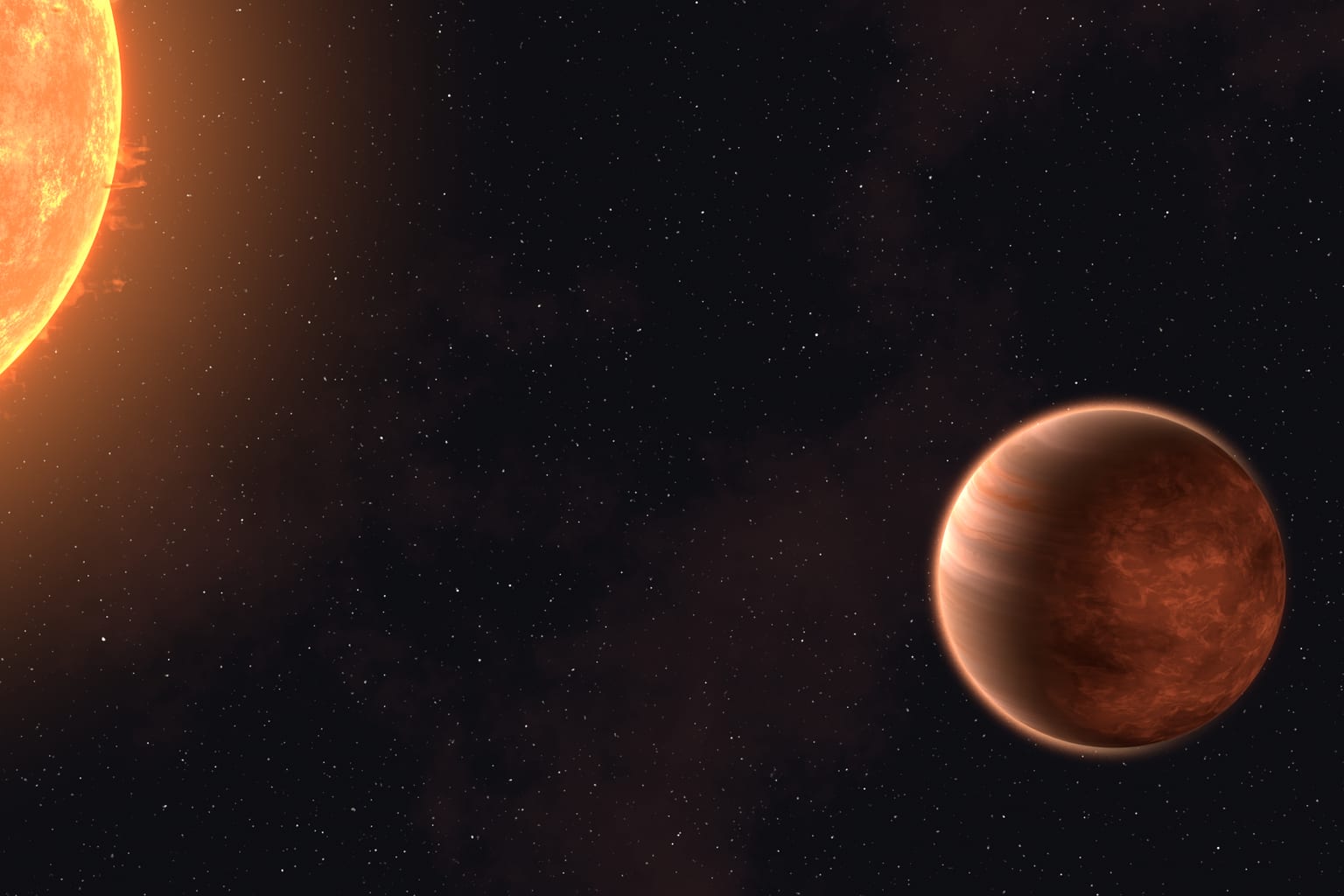
A gas giant 1,000 light-years away stopped crossing its star in 2026, after seven years of observation.

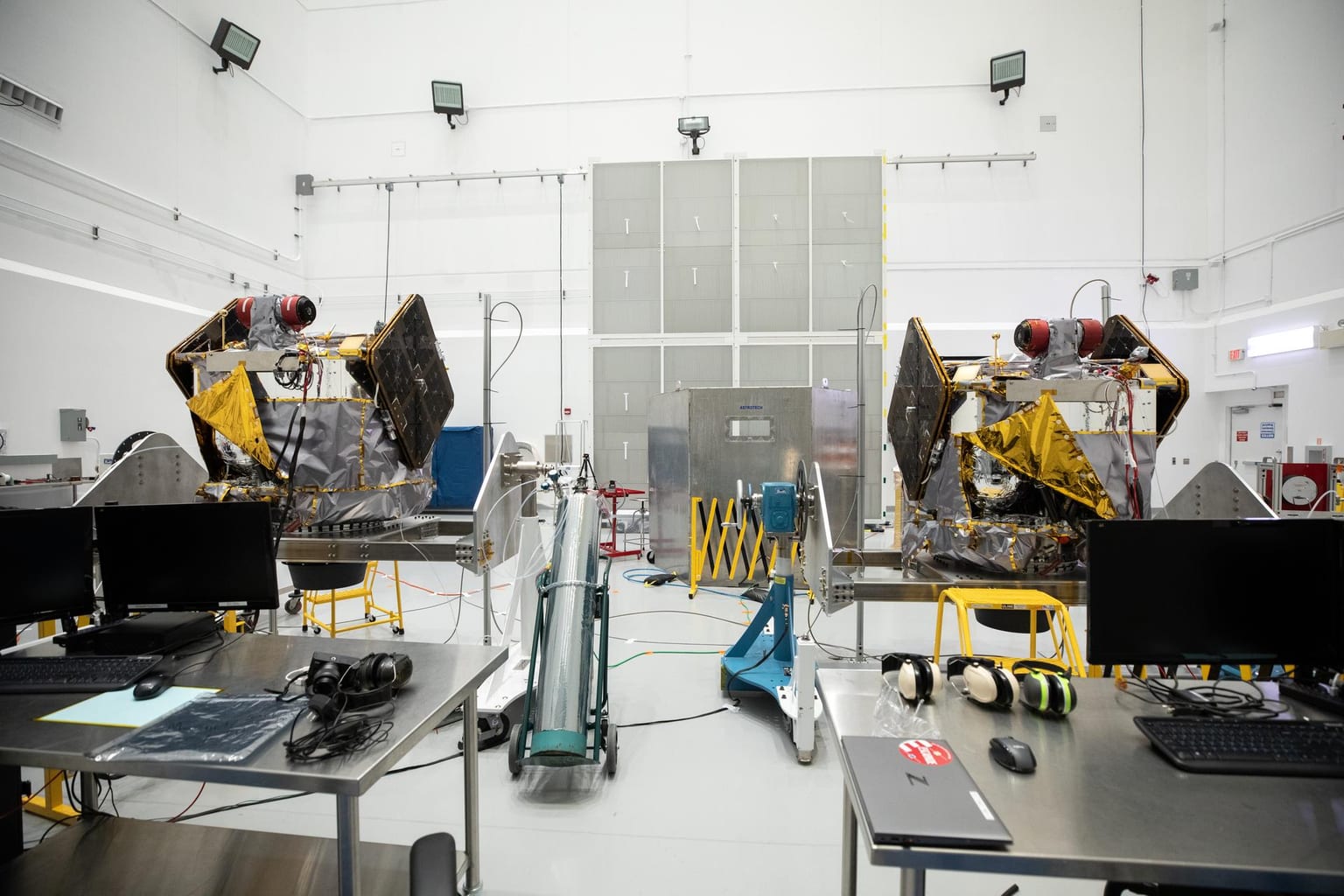
Both ESCAPADE spacecraft fired their engines near Earth on Nov. 7 and Nov. 9, 2026, and are now headed for Mars.

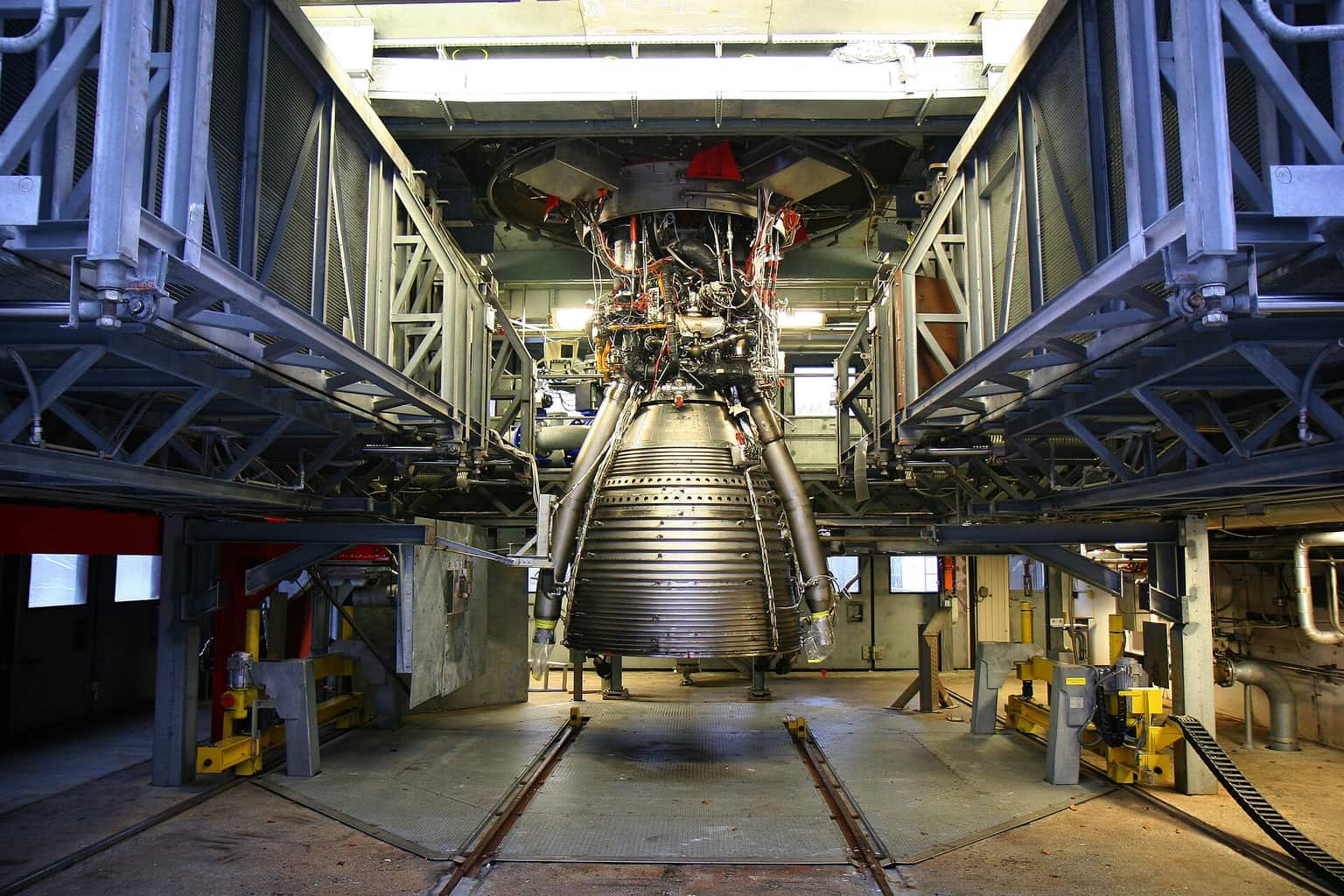
The engine ignited several times in one day and reached stable operation after each start, without a separate starter.

Ceres-2 flew again on November 7, nearly ten months after its failed maiden mission in January.
1.3 metric tonsDesign capacity to 500 km sun-synchronous orbit, vs 300 kg for Ceres-1 (rating only)

Varda recovered its W-8 capsule in South Australia after a 35-day mission, the company reports.
threespacecraft run at once, with one brought safely back to Earth

A single demonstration unit built a third truss bay in orbit, with its robotic arm working alone.
Third bayTruss bay built autonomously in orbit, with no astronauts, per the Caltech team

MMX launched on 20 October on Japan's H3 rocket, after more than 10 years of development.